What is a VPN? The Ultimate Guide to Online Privacy and Security in 2026
Discover what a VPN is, how it encrypts your data, and why it's essential for privacy in 2026. Learn how to hide your IP and stay secure online with our guide.
In today’s internet connected world, every online interaction leaves a digital footprint. From the websites you just visit frequent to your online shopping habits, your IP address acts as a “digital ID” revealing your location and real identity.
This is where a VPN comes into play. But what is a VPN exactly, and how does it safeguard your digital life? This comprehensive guide explores the mechanics, benefits, and critical considerations of Virtual Private Networks.
Understanding VPNs (Virtual Private Networks)
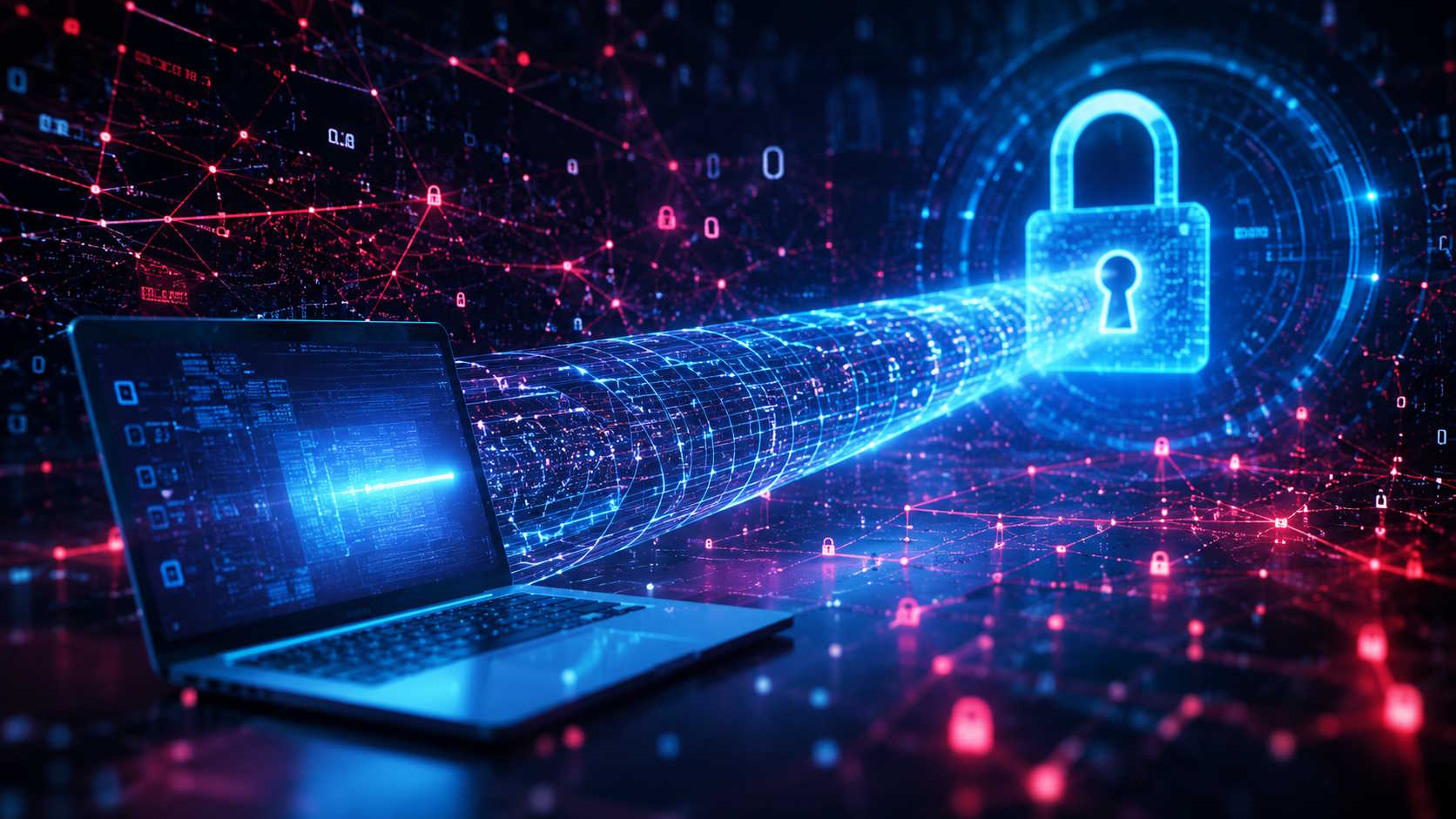
A VPN is a technology that establishes a secure, encrypted connection over a less secure network, typically the internet. Think of the internet as a vast public highway where your vehicle and its contents are visible to everyone. A VPN acts as a private, armored tunnel within that highway, ensuring that no one can see where you are going or what you are carrying.
How Does a VPN Work? (The Technical Perspective)
When you connect to a VPN service, a sophisticated process occurs to protect your data:
- Encryption: The VPN client on your device encrypts your data packets before they even leave your hardware. Even if intercepted by a hacker or your ISP, the data appears as gibberish.
- Tunneling: Your encrypted data travels through a secure “tunnel” to a remote VPN server operated by your provider.
- IP Masking: Once the data reaches the server, it is decrypted and sent to its final destination (e.g., a website). The website sees the IP address of the VPN server instead of your actual home or mobile IP.
Key Benefits of Using a VPN in 2026
-
Security on Public Wi-Fi
Public Wi-Fi networks in hotels or cafes are notorious for “Man-in-the-Middle” attacks. Hackers can easily snoop on unencrypted traffic. A VPN makes your connection impenetrable to local eavesdroppers.
-
ISP Privacy
In many jurisdictions, including Greece, ISPs (Internet Service Providers) track and sell user browsing history to advertisers. A VPN prevents your ISP from seeing which websites you visit, as all your traffic is encrypted until it reaches the VPN server.
-
Bypassing Geo-Blocks and Censorship
Many streaming platforms (Netflix, Disney+, etc.) restrict content based on your region. By connecting to a server in a different country, you can access global libraries. Furthermore, VPNs are vital for journalists and users in countries with strict internet censorship.
-
Safe Remote Work
As remote work becomes the norm, VPNs provide a secure bridge to corporate resources, ensuring that sensitive company data remains protected from external threats.
Common Myths and Limitations
It is important to have realistic expectations:
- Speed Impact: Because of the encryption overhead, your internet speed might drop slightly. High quality providers minimize this impact using modern protocols like WireGuard.
- Anonymity vs. Privacy: A VPN provides privacy (hiding what you do), but it doesn’t offer total anonymity if you remain logged into social media accounts or use “leaky” browsers.
- The Cost of “Free”: Free VPNs often monetize by logging and selling your data. Always opt for a reputable, paid service if privacy is your primary goal.
What to Look for in a VPN Provider
- Strict No-Logs Policy: Ensure the provider has been independently audited to prove they don’t store user activity.
- Server Network: A wide variety of server locations ensures better speeds and more options for geo-unblocking.
- Kill Switch Feature: This is a safety net that kills your internet connection if the VPN drops, preventing accidental data exposure.
- Customer Support: 24/7 support is crucial for troubleshooting connection issues on different devices.
Conclusion: is a VPN worth it?
The short answer is yes. In 2026, a VPN is no longer a tool just for tech enthusiasts; it is a fundamental layer of personal security. By hiding your IP and encrypting your traffic, you regain ownership of your digital presence.
💡 Pro Tip: Verification is key. Use VPN Check to regularly test your connection for IP and DNS leaks, ensuring your VPN is performing as promised.